
Electricity has become the backbone of modern living. From charging your phone to running essential appliances like refrigerators and fans, everything depends on a reliable power supply. However, frequent power cuts and rising electricity bills remain a major concern.
That’s where solar inverter systems come into play. This detailed guide will help you understand everything — from basics to advanced concepts — so you can make the best decision for your home or business.
☀️ Understanding Solar Energy & Why It Matters
Solar energy is one of the most abundant and renewable sources of power available on Earth. India, being a tropical country, receives sunlight for nearly 300+ days a year, making it ideal for solar adoption.
- 🌱 Reduces carbon footprint
- 💸 Saves electricity costs
- 🔋 Provides energy independence
- 🏠 Ideal for homes, shops, and offices
- 🇮🇳 Supported by government subsidies
⚡ What is a Solar Inverter System?
A solar inverter system is a complete setup that utilizes DC energy absorbed from plates and redirects it for appliances.
Solar Panels ☀️
Absorbs sunlight, generating base streams.
Solar Inverter 🔌
Converts DC stream directly into standard AC.
Battery 🔋
Accumulates extra power setups seamlessly.
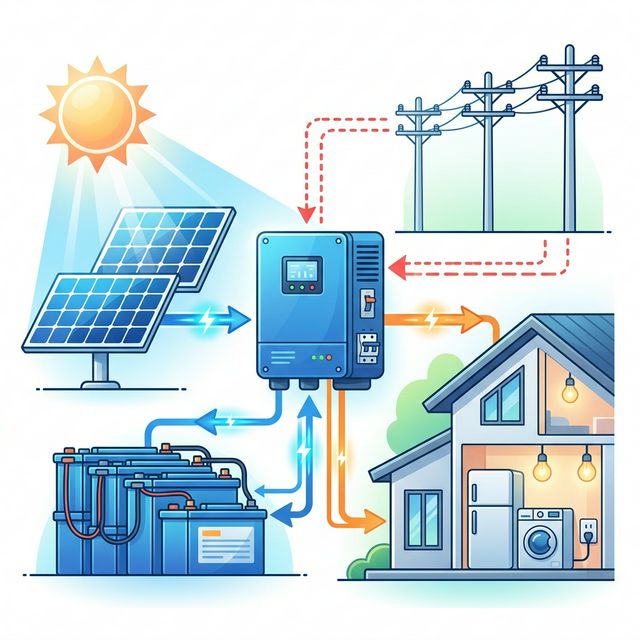
How It Works (Simple Explanation): Solar panels absorb sunlight & generate DC electricity. The inverter converts DC to AC powering your home layout. Extra energy gets stored in batteries or sent directly to grid setups.
🔍 Types of Solar Inverter Systems (Detailed)
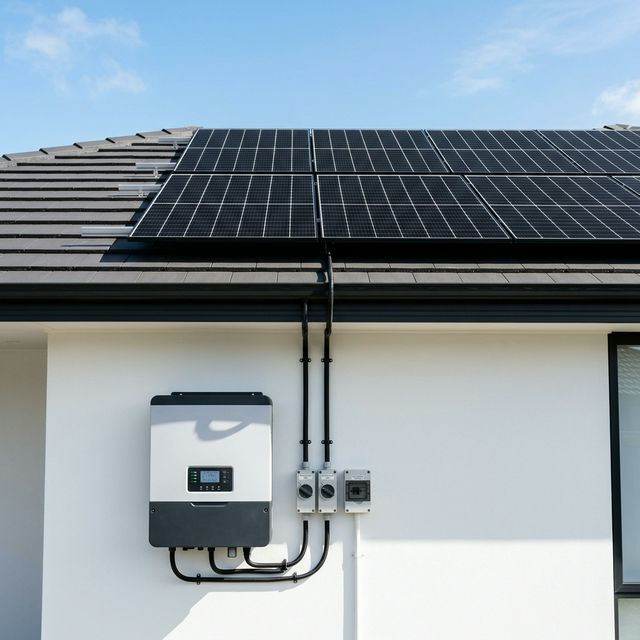
1. On-Grid Solar System
Best for: Cities with stable electricity
No batteries connected. Connected to government electricity grids to save bills via Net Metering.
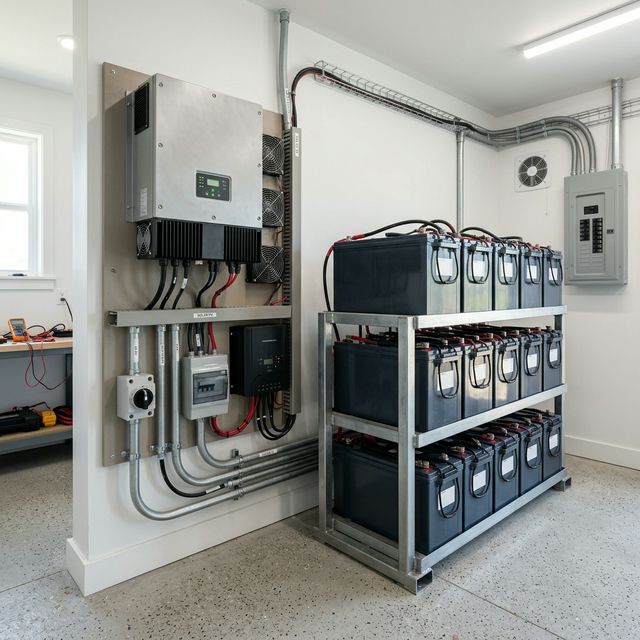
2. Off-Grid Solar System
Best for: Rural areas / frequent power cuts
Works independently utilizing batteries. Accumulates stores explicitly without grid setups.
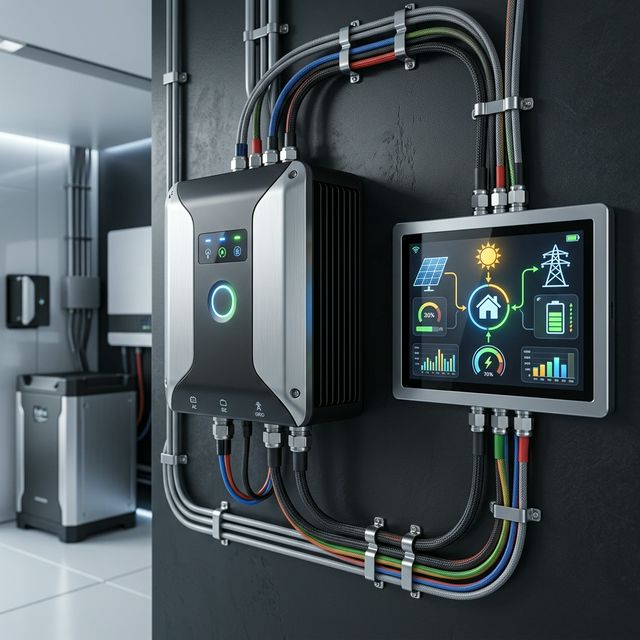
3. Hybrid Solar System
Best for: Modern homes
Combines grid export and heavy setup back up flexibility making it Future-ready.
🔋 Solar Inverter Batteries – Complete Guide
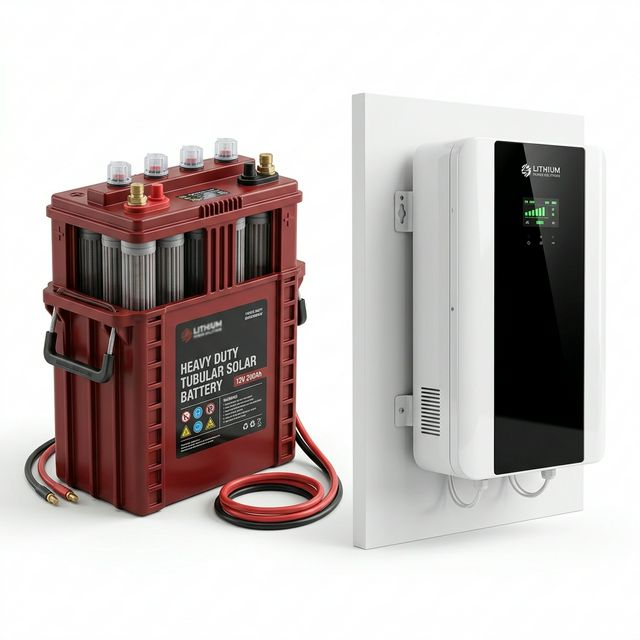
🔸 1. Lead Acid Battery: Low cost, higher maintenance for budget structures.
🔸 2. Tubular Battery: Longer life, better performance. Most recommended for overall coverage.
🔸 3. Lithium-ion Battery: Lightweight, fast charging. Premium premium choice.
🏠 Calculating Power Requirement
Before buying, verify standard appliance metric total weights sums to verify optimal capacities correctly.
| Appliance | Quantity | Power (W) | Total |
|---|---|---|---|
| Fans | 4 | 75W | 300W |
| LED Lights | 6 | 10W | 60W |
| TV | 1 | 120W | 120W |
| Refrigerator | 1 | 200W | 200W |
Total Load = 680W. Adding 20-30% buffer safety triggers ≈ 900W - 1kW inverter choice benchmarks.
| Load Requirement | Recommended Inverter |
|---|---|
| Up to 800W | 1kVA |
| 800W–1500W | 1.5kVA |
| 1500W–2500W | 2kVA |
💰 Solar Inverter System Cost in India (2026)
| System Type | Price Range |
|---|---|
| Basic Inverter Setup | ₹15,000 – ₹30,000 |
| Solar + Battery System | ₹40,000 – ₹1,00,000 |
| Hybrid Solar System | ₹80,000 – ₹2,50,000+ |
Important: Government subsidies like PM Solar Rooftop Yojana trigger absolute 20-40% covers across tiers size deployments.
❓ Frequently Asked Questions (FAQs)
Which inverter is best for home?
Hybrid solar inverter is best for most modern setups balancing export and load backup rates.
Can I run AC on solar?
Yes, but it requires high-capacity setups above 2kVA specifications typically.
What is total setup lifespan?
Panels life limits range up to 25 Years, inverters 6-10 years, cells setup depending metrics.